· The Tokatab Team · Piano Glossary · 2 min to read
Scales
When starting piano, we often hear about scales. They're present in all styles of music and constitute an essential foundation for pianists. If you've ever wondered why certain pieces seem to flow naturally under the fingers, or how to develop better ease at the keyboard, scales are the key to the answer.
What is a Scale?
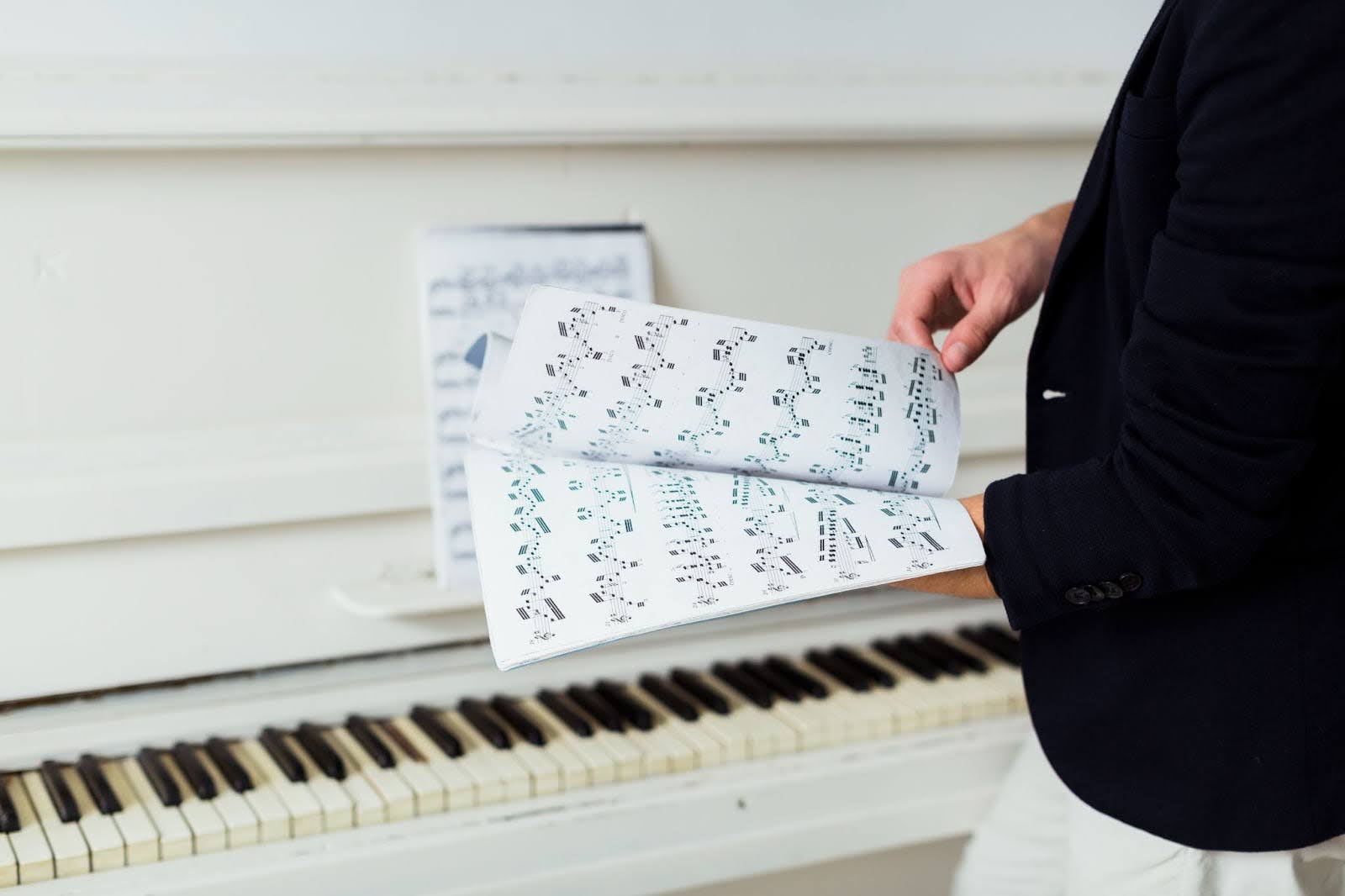
A scale is an ordered sequence of notes that follows a precise structure. It can be ascending (from low to high) or descending (from high to low). Scales serve as melodic and harmonic markers: they define the available notes in a piece and influence its sound atmosphere.
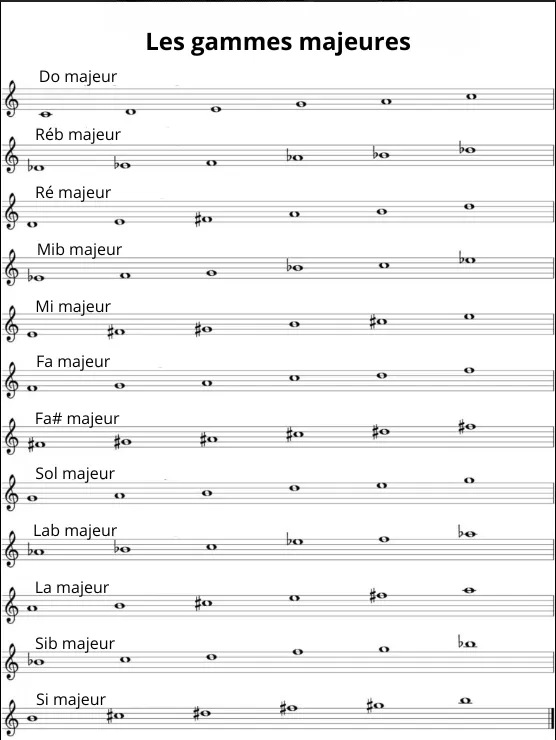
The most well-known scale is the major scale, built on an alternation of tones and semitones. For example, the C major scale follows this sequence: C - D - E - F - G - A - B - C. There are also minor scales, more expressive, and other types of scales used in different musical styles (blues, jazz, oriental music, etc.).
Why Are Scales Important?
Develop technique: Playing scales allows you to work on finger independence, fluidity of playing, and precision of movements. It’s a fundamental exercise to gain flexibility and speed.
Improve musical understanding: Scales are the basis of many pieces. Knowing them allows you to anticipate chord progressions, better understand harmonic structure, and facilitate score reading.
Facilitate improvisation and composition: Musicians use scales to improvise or compose. By mastering different scales, you know which notes to use to create a harmonious melody or add expressive nuances to your playing.
How to Work Scales Effectively on Piano?
Practice slowly and regularly: Start at a moderate tempo, paying attention to precision and regularity of playing. Once comfortable, you can gradually speed up.
Work hands separately then together: Playing each hand separately first helps to understand finger positioning well before coordinating both hands.
Vary articulations and rhythms: Alternate legato (connected) and staccato (detached) playing, play in eighth notes, triplets, or sixteenth notes to strengthen your rhythmic control.
Use scales in pieces: Apply scales to pieces you play to observe their presence in music and integrate them more naturally into your playing.
Conclusion
Scales are much more than just a technical exercise: they structure music and facilitate piano learning. By practicing them regularly, you’ll develop your agility, your understanding of pieces, and your ability to improvise. Whether you’re a beginner or advanced pianist, scales are an essential tool to progress and enrich your learning and playing on piano.
Ready to start your learning with Tokatab? Sign up now and enjoy 5 free contents in the free offer to start mastering scales and much more!