· The Tokatab Team · Piano Glossary · 3 min to read
Tessitura
When we talk about "tessitura," we often think of singing. Yet, this term also concerns musical instruments, including the piano. If you've ever wondered why certain notes sound better in one region of the keyboard than another, or how a pianist can play such varied pieces moving from bass to treble, tessitura is the key to the answer.
What is Tessitura?
Tessitura designates the range of notes that an instrument or voice can produce, from the lowest sound to the highest sound.
- For a singer, it’s limited by the capacity of their vocal cords and their ease in certain zones of their voice. Each type of voice (soprano, alto, tenor, bass) has its own natural tessitura.
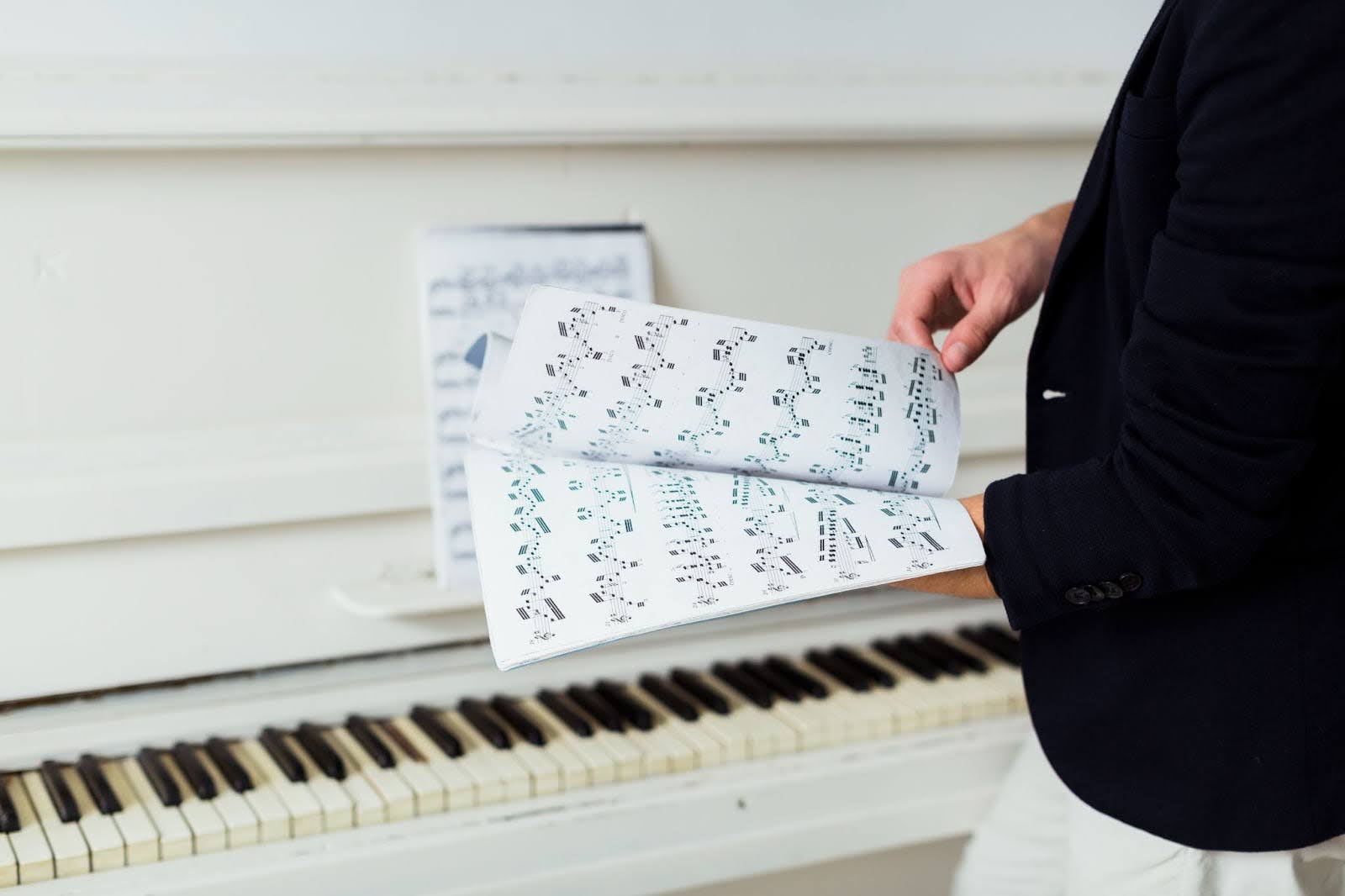
- For a piano, it’s determined by the size of the keyboard and the construction of the strings. The standard modern piano has 88 keys, offering an impressive tessitura of more than seven octaves, from A0 (very low) to C8 (very high). This wide tessitura makes the piano one of the most versatile instruments.
Why is Tessitura Important?
1. In Singing, to Adapt a Piece to Your Voice
Each voice has a tessitura that suits it. A piece that’s too low or too high will be difficult to sing and will tire the voice. That’s why we often adapt the pitch of songs (we talk about “transposition”) to make them easier to sing.
2. On Piano, to Adapt Your Playing to the Register
Each region of the keyboard has a particular sound color:
- The bass is resonant and deep.
- The middle range is balanced and often the most used.
- The treble is brilliant and percussive.
Playing the same melody in the extreme treble or in the bass won’t produce the same effect.
2. To Analyze the Structure of a Piece
It allows distributing the different parts of a piece between the hands. Whether in singing or at piano, tessitura helps organize music:
- In singing, it allows knowing if a piece suits a voice.
- At piano, it helps separate the roles of the hands: the left hand often plays the low notes (bass and accompaniment), while the right hand plays the melody in the middle or high register. Some pieces use the entire tessitura to create powerful dynamics.
3. To Adapt a Piece to Your Level
A piece that’s too extended on the keyboard can pose difficulties for a beginner. In singing, a piece with too wide a tessitura will be complicated to sing. Knowing the tessitura allows adapting an arrangement by staying in a more accessible playing zone.
How to Intelligently Use Tessitura on Piano?
- Work on your sonority: In singing as at piano, learn to control your voice or your touch well to obtain a beautiful sound.
- Experiment with different registers: Play the same melody in the bass, middle range, and treble. You’ll see how the atmosphere changes.
- Work on sonority: Some pianos have harder trebles and rounder bass. Learn to modulate your touch.
- Use tessitura to enrich your compositions: Varying registers can be a simple way to give relief to your playing.
Conclusion
Understanding piano tessitura means better exploiting its sound potential. Whether you play sober accompaniments or more complex pieces, mastering the use of different registers will help you enrich your playing and give more nuances to your interpretation.